
Memorial Raul Seixas: The Life, Music & Lasting Legacy of a Brazilian Rock Legend
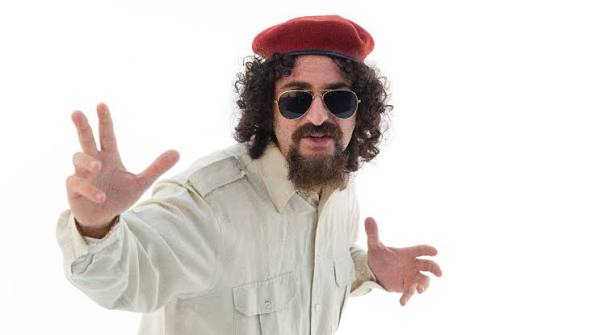
Welcome to the definitive online tribute to Raul Seixas, the ‘Father of Brazilian Rock’, whose rebellious spirit and anthems like ‘Maluco Beleza’ continue to inspire generations. On this memorial site, we explore the story of the man who fused rock ‘n’ roll with Brazilian rhythms and philosophical poetry, creating a universe of sound that defied a military dictatorship and continues to resonate powerfully today. Join us as we delve into his biography, discography, and the enduring power of his message.
The Raul Seixas Biography: From Salvador to Stardom
We trace his journey from his birth in Salvador, Bahia, to his explosive rise in the 1970s, his partnership with Paulo Coelho, and his struggles with the military dictatorship. Raul’s life was a rollercoaster of meteoric success, political persecution, and personal battles, all of which fuelled the raw, authentic energy of his music.
Early Life & Musical Awakening
Born in 1945 in Salvador, Raul Seixas was immersed in the rich cultural tapestry of Bahia from the start. His early love for rock pioneers like Little Richard and Elvis Presley clashed with a traditional upbringing, setting the stage for a lifetime of rebellion. Before finding his signature sound, he dabbled in bossa nova and formed early bands, but it was the raw energy of rock ‘n’ roll that truly captured his spirit.
The 1970s: Breakthrough & Exile
The 1970s defined Raul’s legend. His partnership with writer and future literary giant Paulo Coelho was explosive, leading to the creation of the ‘Sociedade Alternativa’ (Alternative Society) philosophy—a concept of individual freedom and mystical anarchy that terrified Brazil’s military regime. Landmark albums like ‘Krig-Ha, Bandolo!’ (1973) and ‘Gita’ (1974) made him a superstar, but his lyrics led to censorship and even a brief exile. This period cemented his image as the ultimate malandro (rogue) and maluco (crazy one) of Brazilian music.
Later Years & Enduring Influence
Despite battles with alcoholism and fluctuating commercial success, Raul’s creative output never ceased. He continued to release albums that experimented with new sounds while staying true to his rock roots. His untimely death in 1989 at age 44 solidified his status as a tragic hero. His influence, however, only grew, inspiring countless artists across genres who saw in him a symbol of unwavering authenticity and artistic courage.
The Essential Raul Seixas Discography
Our team breaks down his seminal albums, from ‘Krig-Ha, Bandolo!’ (1973) and ‘Gita’ (1974) to later works, highlighting key tracks and their cultural impact. Navigating his vast catalogue can be a thrilling journey. Here is a guide to the essential eras of his recorded work.
The Classic 70s Era
This is the golden period where Raul, often with Paulo Coelho, forged his myth. The albums from this time are foundational to Brazilian rock.
- Krig-Ha, Bandolo! (1973): The explosive debut featuring ‘Ouro de Tolo’, a scathing critique of the consumerist dream.
- Gita (1974): A mystical masterpiece containing the epic title track ‘Gitã’ and the iconic ‘Sociedade Alternativa’.
- Novo Aeon (1975): Further exploration of esoteric themes, including the classic ‘Tente Outra Vez’.
Landmark Albums & Collaborations
Beyond the famous trio, Raul’s discography is rich with innovation. Albums like ‘Há 10 Mil Anos Atrás’ (1976) and ‘O Dia em que a Terra Parou’ (1977) continued his social commentary. His collaborations extended beyond Coelho, including work with guitarist and co-writer Marcelo Nova, showcasing his ability to evolve while staying true to his core sound.
Deep Cuts & Posthumous Releases
For the devoted fan, later albums like ‘Uah-Bap-Lu-Bap-Lah-Béin-Bum!’ (1987) reveal a more experimental side. Since his passing, numerous posthumous compilations and live recordings have been released, ensuring new generations can access his work. Notably, his seminal album ‘Gita’ is available on major streaming platforms like Spotify UK and Apple Music UK, making it easy for UK listeners to dive in.
Lyrics & Philosophy: Decoding Sociedade Alternativa
We analyse the philosophy behind anthems like ‘Sociedade Alternativa’ and ‘Gitã’, exploring his blend of rock, mysticism, and social critique that challenged Brazilian norms. Raul was far more than a rocker; he was a poet-philosopher who used music as his manifesto.
The Philosophy of ‘Maluco Beleza’
The term “Maluco Beleza”—literally “Crazy Beauty”—became his nickname and a state of mind. It celebrated the beautiful madness of thinking freely, of rejecting imposed logic, and of living with passionate intensity. This persona was a shield and a weapon against a conformist society.
Rock, Mysticism & Rebellion
Raul wove together influences from Aleister Crowley’s occultism, Eastern philosophy, and Brazilian folklore. Songs like ‘Gitã’ are sprawling, hallucinatory journeys, while ‘Sociedade Alternativa’ proposed a utopian society based on the law of “Do What Thou Wilt.” This was a direct, provocative challenge to the oppressive rule of Brazil’s dictatorship, cleverly disguised in rock anthems.
The Lasting Message of ‘Aluga-se’
His critique was also deeply personal and economic. In ‘Aluga-se’ (For Rent), he laments the artist’s soul being commodified. This theme of resisting the “sell-out” and maintaining one’s integrity in a commercial world remains profoundly relevant for artists and individuals everywhere today.
Raul Seixas’s Cultural Legacy in the UK & Beyond
We examine his influence on global music, his cult following, and how his work resonates with UK audiences exploring world music and counter-cultural icons. While a distinctly Brazilian icon, Raul’s appeal has crossed oceans, finding a receptive audience in the UK among lovers of world music and rebellious art.
Influence on Brazilian & World Music
In Brazil, he is irreplaceable, directly inspiring genres like Tropicália, punk, and subsequent rock movements. Globally, he is recognised as a key figure in Latin American rock. UK-based world music magazine ‘Songlines’ has covered Brazilian rock, referencing Seixas’s influence, helping to contextualise his importance for a British readership.
The Cult Following & Modern Tributes
Raul’s fanbase is a devoted, multi-generational community. This devotion is visible in the UK, where tributes to Raul Seixas have been performed at iconic venues like The Jazz Cafe in London. Furthermore, the Brazilian cultural centre in London, ‘Casa Brasil’, has hosted events celebrating his legacy, from listening sessions to academic talks, keeping his spirit alive.
Discovering Raul Seixas Today
New listeners in the UK often discover him through curated world music programming. For instance, Raul’s music has been featured on BBC Radio 3’s ‘World Routes’ programme, introducing him to UK audiences seeking authentic global sounds. His themes of individual freedom and social critique transcend language, making his music a powerful discovery for anyone valuing artistic rebellion.
A Note on Responsible Engagement
In the spirit of Raul’s message of conscious living, our site includes a dedicated section promoting safe and responsible gambling practices for adult visitors. We believe in engaging with all forms of entertainment mindfully and with awareness.
Our Commitment to Safe Content
While our primary mission is to celebrate Raul Seixas’s cultural contribution, we are committed to the wellbeing of our entire audience. We advocate for balance and informed choice in all activities, ensuring that passion never turns into harm.
Resources for Informed Choices
If you or someone you know is engaging with gambling, we strongly encourage setting limits, treating it as entertainment rather than a source of income, and seeking support if needed. We support organisations like GamCare and BeGambleAware, which provide vital tools and assistance for making informed, responsible decisions.
Frequently Asked Questions
Who was Raul Seixas?
Raul Seixas (1945-1989) was a pioneering Brazilian singer-songwriter, often called the “Father of Brazilian Rock.” He blended rock ‘n’ roll with Brazilian rhythms and philosophical lyrics, becoming a counter-cultural icon who challenged the country’s military dictatorship in the 1970s.
What is ‘Sociedade Alternativa’?
It’s a central philosophy in Raul’s work, translating to “Alternative Society.” Inspired by mystic thinkers, it proposed a utopia based on individual freedom and personal will (“Do What Thou Wilt”) as a form of peaceful rebellion against authoritarian control and social conformity.
Where can I listen to Raul Seixas’s music in the UK?
His full discography is available on all major streaming platforms like Spotify UK and Apple Music UK. We recommend starting with the classic album ‘Gita’ or the compilation ‘Raul Seixas: The Box’ to get a comprehensive overview of his career.
Has Raul Seixas been recognised in the United Kingdom?
Yes, his legacy is acknowledged in UK cultural circles. His music has been played on BBC Radio 3, he’s been featured in magazines like ‘Songlines’, and tribute events have been held at venues such as The Jazz Cafe and Casa Brasil in London.
What does “Maluco Beleza” mean?
It’s a phrase synonymous with Raul, meaning “Crazy Beauty” or “Beautiful Lunatic.” It celebrates a state of inspired, non-conformist madness—the beautiful chaos of thinking and living outside the lines, which was central to his persona and music.
Raul Seixas’s music remains a vital, rebellious force, a call to think freely and live authentically. His ‘Sociedade Alternativa’ is not just a memory; it’s an ongoing invitation. We invite you to explore his world further, listen deeply to his anthems, and discover why this Brazilian rock legend’s voice continues to shout, inspire, and resonate across the world.